Featured
Table of Contents
There are numerous types of display screen advertising. Banner ads are an example of display advertising. So are desktop and mobile leaderboard advertisements. The majority of advertisements are rectangle-shaped or square in shape, and the material they consist of is typically designed to align with that of the host site and the chosen audience preferences.
Show ads can target by behavior, context, or website choice, each offering special ways to catch user interest. Show ads vary significantly in terms of who they target and how they work. Here's a breakdown of the different screen ad options and what they do. Most display advertisements you see today are remarketing advertisements, also known as retargeting ads.
According to Accenture Interactive, 91% of consumers prefer to purchase from brands that remember their interests and supply deals based upon their needs. Retargeting ads do simply that, and they're simple for brands to implement. Here's how they work. To begin, put a small area of code onto your website that collects details about visitors' browsing habits, including when they browse to a classification or product page.
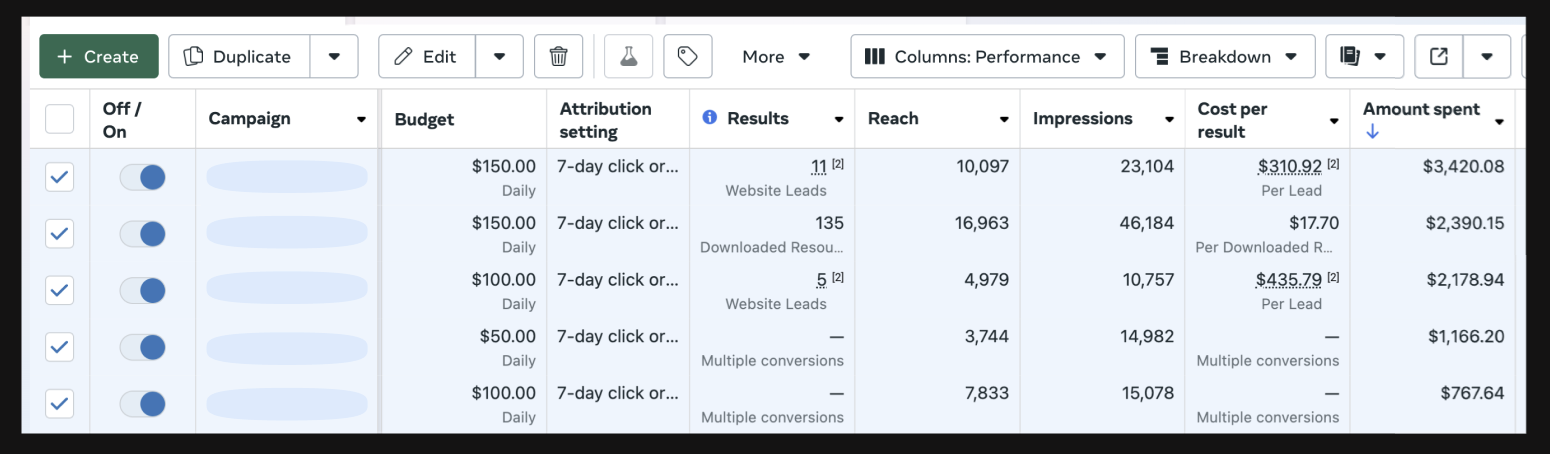
Create and place display screen advertisements based on the various classifications of interest you have actually observed. A vibrant remarketing campaign is an effective method to keep your brand present in the minds of consumers who have actually currently revealed interest in what you have to use.
You can even produce advertisements that show individualized item recommendations based on a user's recent interactions with your site. In addition to remarketing, Google recognizes 4 distinct types of individualized advertisements. Each integrates basic user habits and choices instead of interactions with any specific brand name as a targeting option. Affinity targeting reveals your advertisements to customers who have actually shown an active interest in your market.
Avoiding Costly Advertising Mistakes
Smaller sized customized affinity groups like "long-distance runners" and "orchid growers" let you get more particular about the interests you desire to target. Keep in mind that when you use narrower groups, you'll reach smaller audiences. Custom intent and in-market advertisements target consumers who are actively browsing for items or services like yours.
Similar audience advertisements target people who have interests or attributes in typical with your current visitors. To create lists of brand-new but similar audiences, Google compares the profiles of people on your remarketing lists with those of other users, then determines commonalities. Rather of showing your ads to individuals based upon their user profiles, contextually targeted ads are positioned on sites according to certain criteria, consisting of: Your advertisement's topic and keywords Your language and area choices The host site's overarching style The browsing histories of the website's current visitors You can let Google make these determinations, or you can take an active role in it yourself through topic targeting.
It likewise lets you specifically omit topics that are underperforming or unassociated to your message. Topic targeting is a lot like affinity targeting, other than that your advertisements are matched with sites rather than users.
You can even combine placement targeting with contextual targeting. With this technique, you choose a site and let Google select the most relevant pages for your advertisement. If you count offline along with online ads, display advertising is as old as business itself. The web's very first show advertisement was a 1994 AT&T advertisement, and they've been increasing in occurrence since.
Native ads are designed to blend in with the other material on a page. Native advertisements are less obvious than display advertisements and can sometimes reach users who have advertisement blocking software application made it possible for.
Balancing Paid Search Versus Organic Media Strategies
There's constantly the risk that when they reach the end and discover out that the post or post they simply check out was marketing, they'll end up feeling tricked. Native marketing marketers likewise run the risk of concealing their brand name logo and details too well. There's an opportunity that readers might not notice it, let alone remember it.
Before you choose whether or not to invest in display advertisements, think about the advantages and disadvantages. Unlike native advertisements that simulate editorial content, show ads are plainly advertisements.
Preparing for the 2026 Shift in Local Hvac Ppc That Books More CallsYour audience does not need to check out all the way through a post or infographic to get to your brand message the way they do with material marketing or native ads. Even when individuals scroll past these messages, they still make an impression. Compared to other types of digital advertising, show ads don't need intricate combination with publisher websites.
A well-thought-out digital ad campaign can help you reach your target audience at any phase of the choice making procedure, from requirement awareness to buy readiness. All you need is a knowledge of targeting methods. If you offer home appliances, you could post customized intent ads to reach people who have been searching for brand-new models of stoves or washing devices.
While fairly couple of individuals really click display screen advertisements, they can assist you reach the largest section in your target market. Their reach is as broad as that of standard advertising while being less interfering. A display screen ad is much less disruptive than a tv or radio area, particularly if it's been matched with appropriate material.
How Paid Media Strategies Impacts Sustainable Business
Overt advertising makes lots of people feel annoyedand when people are frustrated with online ads, they tend to use advertisement blocking software so that they don't see them at all. Display advertisements are meant to provide your message as rapidly and just as possible, however their brief length can work against them.
While display screen marketing is beneficial, it most likely won't be the real powerhouse behind your marketing technique. The majority of people see banner ads early on in their buying journey, so they're best used as part of a long-lasting marketing strategy.
In order to properly allocate resources and run an effective project, you need to identify the effectiveness of your display ads. Whether you're using Google Advertisements or another platform, you can track project efficiency throughout the entire campaign and make modifications where needed. There are a couple of essential metrics to watch on when measuring your campaign, consisting of:: Impressions are the number of times your ad was displayed on a site.

Latest Posts
Turning Ad Clicks Into Loyal Customers
Innovative Ways to Support Pediatric Wellness Charities
Developing a Holistic Multi-Channel Media Strategy